Bearing Heat Generation: Why Bearings Overheat and How to Prevent It
Sep 12,2026 | Lumi Manufacturering Technology
Bearing overheating is a common problem in motors, fans, pumps, power tools, automation equipment, and precision devices. When a bearing becomes too hot during operation, it may cause noise, grease failure, unstable rotation, shorter service life, or even complete equipment failure. For OEM engineers and purchasing managers, understanding why bearings overheat is very important before choosing a bearing model.
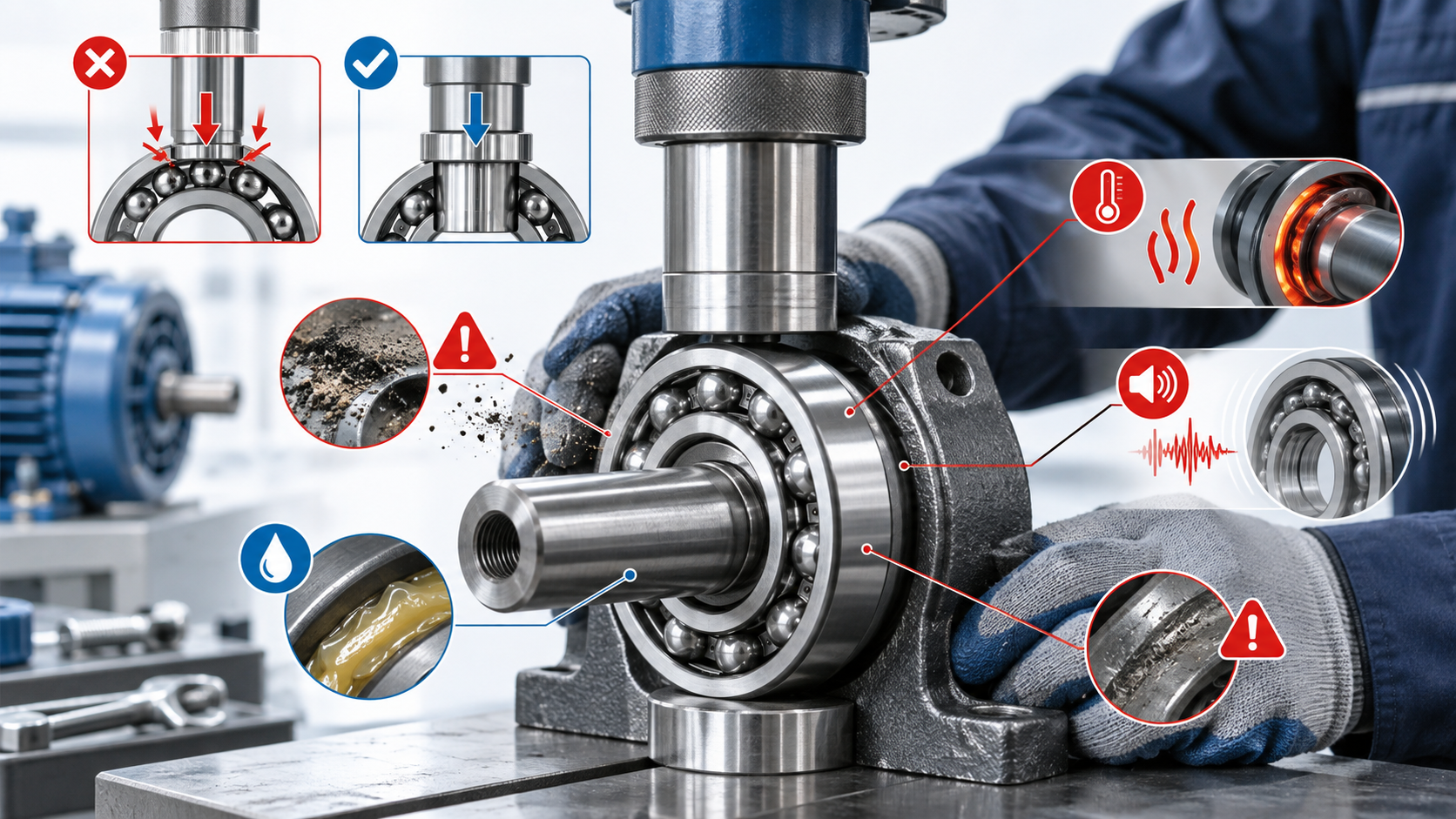
One common reason is incorrect lubrication. If the grease is not suitable for the speed or temperature of the application, the bearing may generate extra friction. Too little grease can cause poor lubrication, while too much grease can increase resistance and heat.
Another reason is improper internal clearance. If the clearance is too small, the bearing may become tight after installation or thermal expansion. This can lead to higher friction and temperature rise. In some high-speed or high-temperature applications, C3 clearance may be more suitable than standard CN clearance.
Wrong installation can also cause overheating. If the shaft or housing fit is too tight, or if the bearing is pressed incorrectly during assembly, the internal structure may be stressed. This can damage the raceway, increase friction, and reduce bearing life.
In addition, excessive load, high speed, contamination, poor sealing selection, or unsuitable material can all lead to bearing heat problems. For example, a rubber-sealed 2RS bearing gives better protection, but it may generate more friction than a ZZ shielded bearing in some high-speed applications.
To prevent overheating, buyers should choose the right bearing based on speed, load, temperature, lubrication, clearance, seal type, and working environment. It is not enough to choose only by size or price.
At LUMI Bearing, we help customers analyze bearing heat problems professionally. Our team can review your application conditions and recommend suitable miniature bearings, small deep groove ball bearings, stainless steel bearings, high-speed bearings, or low-noise bearings. We can also support different grease options, clearance choices, shield or seal structures, and quality levels.
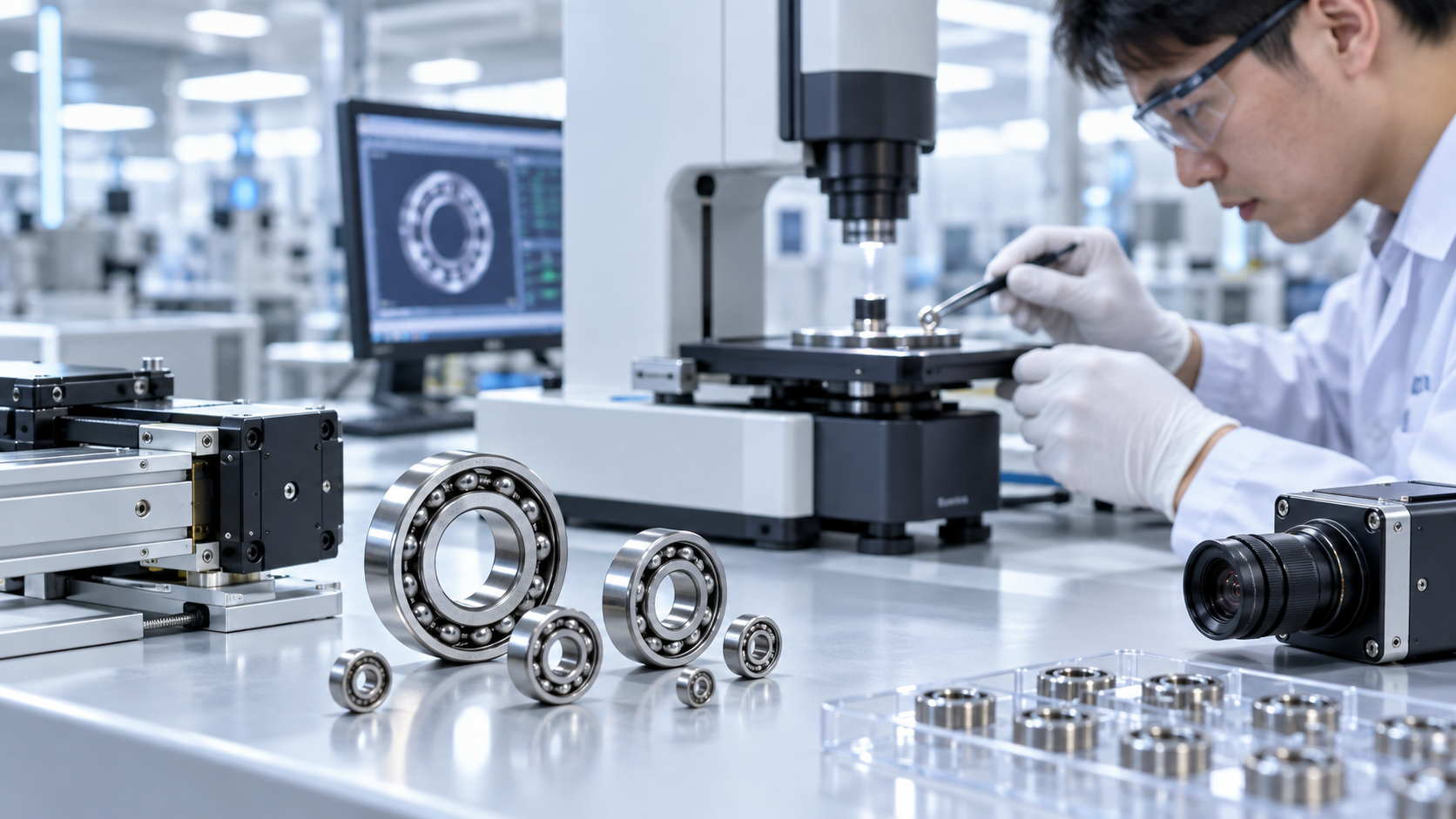
Before shipment, LUMI Bearing focuses on inspection, rotation smoothness, noise control, and batch consistency. For global OEM buyers and distributors, choosing the right bearing from the beginning can help reduce overheating risk, improve product reliability, and support longer service life.
Commentaire