LUMI Bearing | Precision Bearing Manufacturer

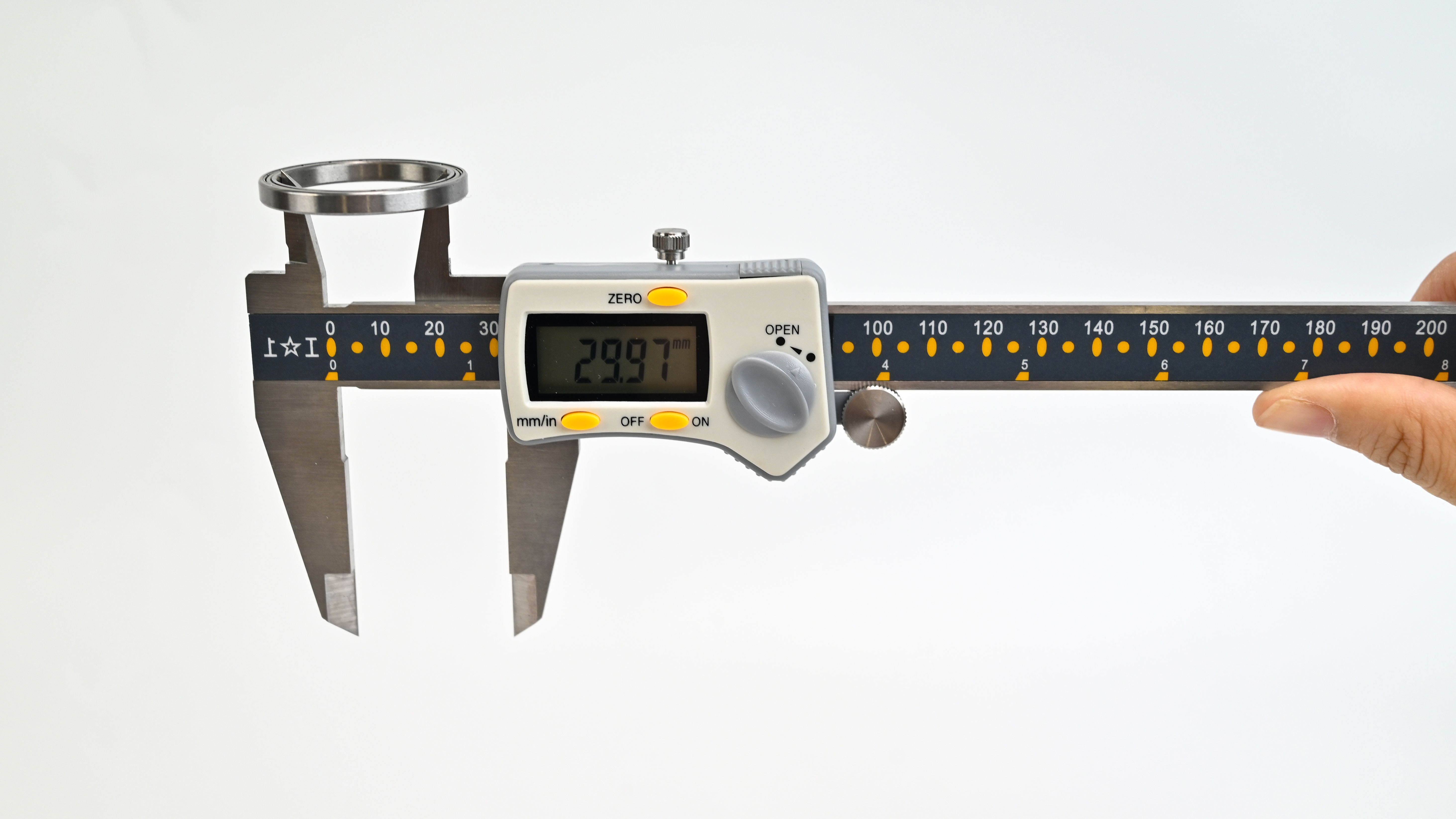
The bearing bore size is the measurement of the hole in the center of the bearing.
Best method: Use a vernier caliper for the most accurate result.
Steps:
(1)Insert the outer anvils of the caliper into the bearing’s bore.
(2)Open the caliper slowly until it fits snugly but not tightly against the inner ring.
(3)Read the measurement on the caliper scale in millimeters or inches.Pro tip: If a vernier caliper is not available, a high-quality steel ruler can be used for approximate measurements.
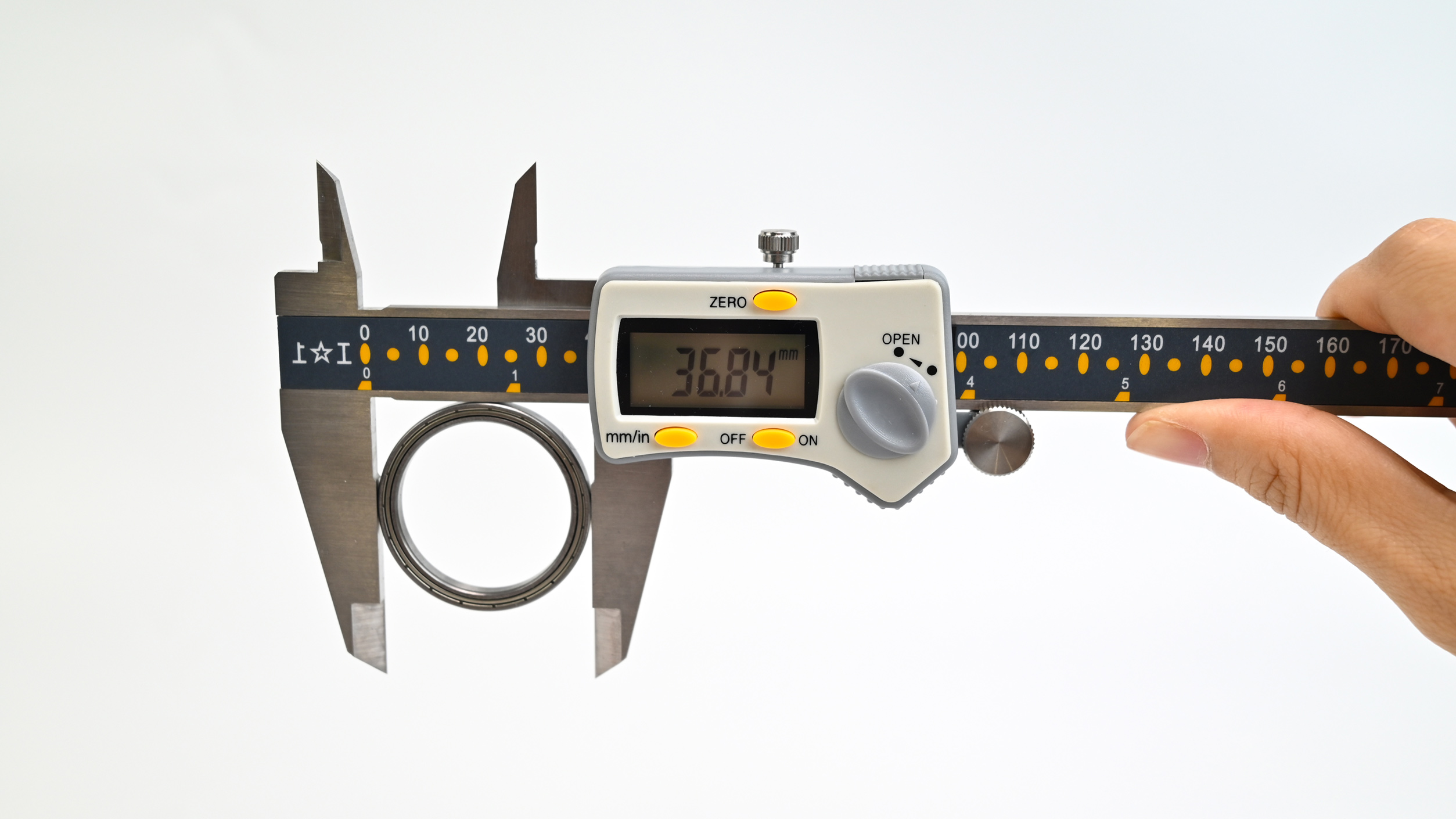
The outside diameter is the total width across the bearing from one outer edge to the other.
Place the jaws of the caliper around the outer ring of the bearing.
Close the jaws gently until they make contact without compressing the bearing.
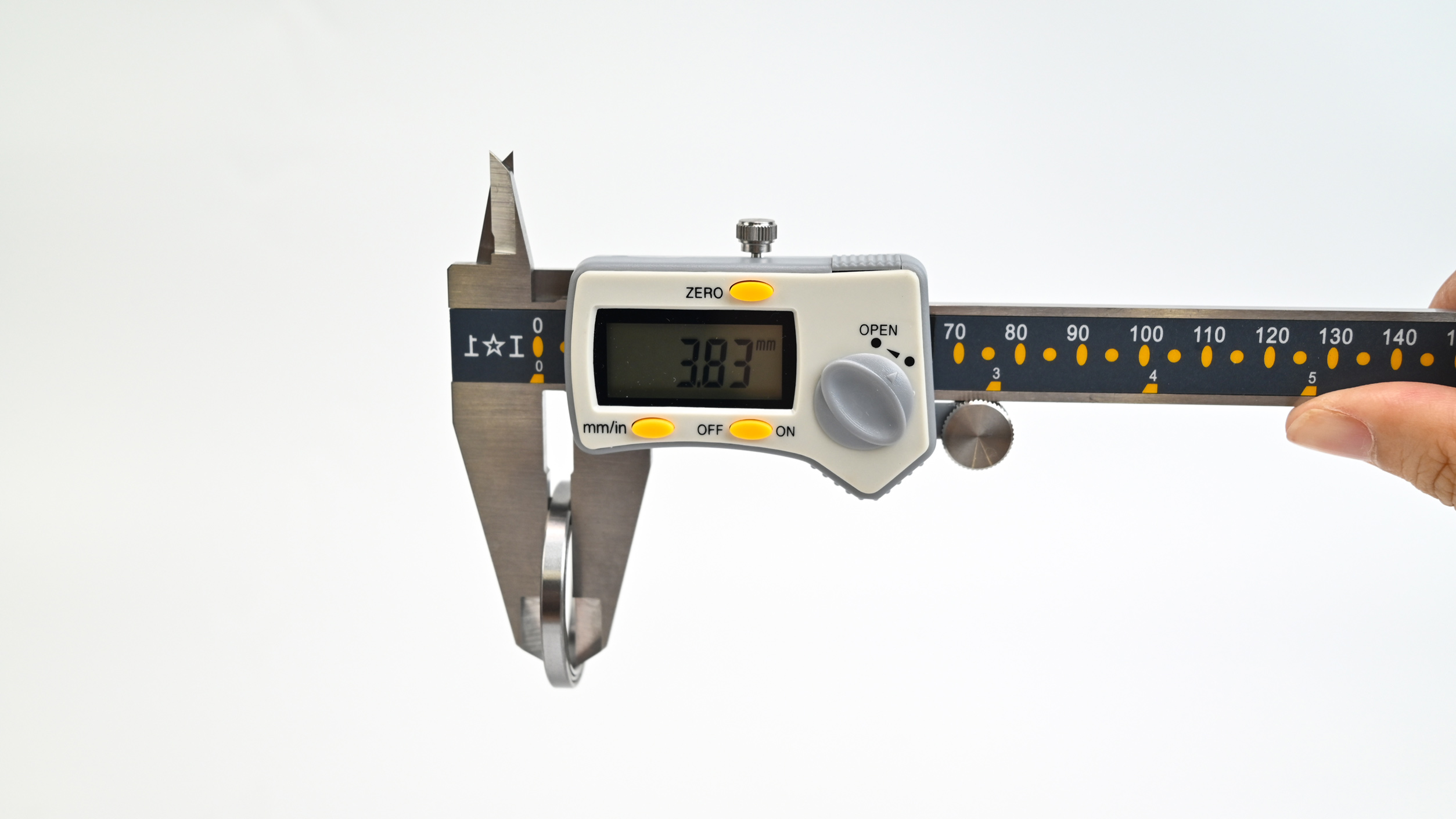
Record the measurement in mm or inches.
This dimension is critical when fitting the bearing into a housing or casing.
The bearing bore size is the measurement of the hole in the center of the bearing.
Best method: Use a vernier caliper for the most accurate result.
Steps:
(1)Insert the outer anvils of the caliper into the bearing’s bore.
(2)Open the caliper slowly until it fits snugly but not tightly against the inner ring.
(3)Read the measurement on the caliper scale in millimeters or inches.Pro tip: If a vernier caliper is not available, a high-quality steel ruler can be used for approximate measurements.
The outside diameter is the total width across the bearing from one outer edge to the other.
Place the jaws of the caliper around the outer ring of the bearing.
Close the jaws gently until they make contact without compressing the bearing.
Record the measurement in mm or inches.
This dimension is critical when fitting the bearing into a housing or casing.