Motor Bearing Failure: Common Causes and How to Choose a Better Replacement
Sep 14,2026 | Lumi Manufacturering Technology
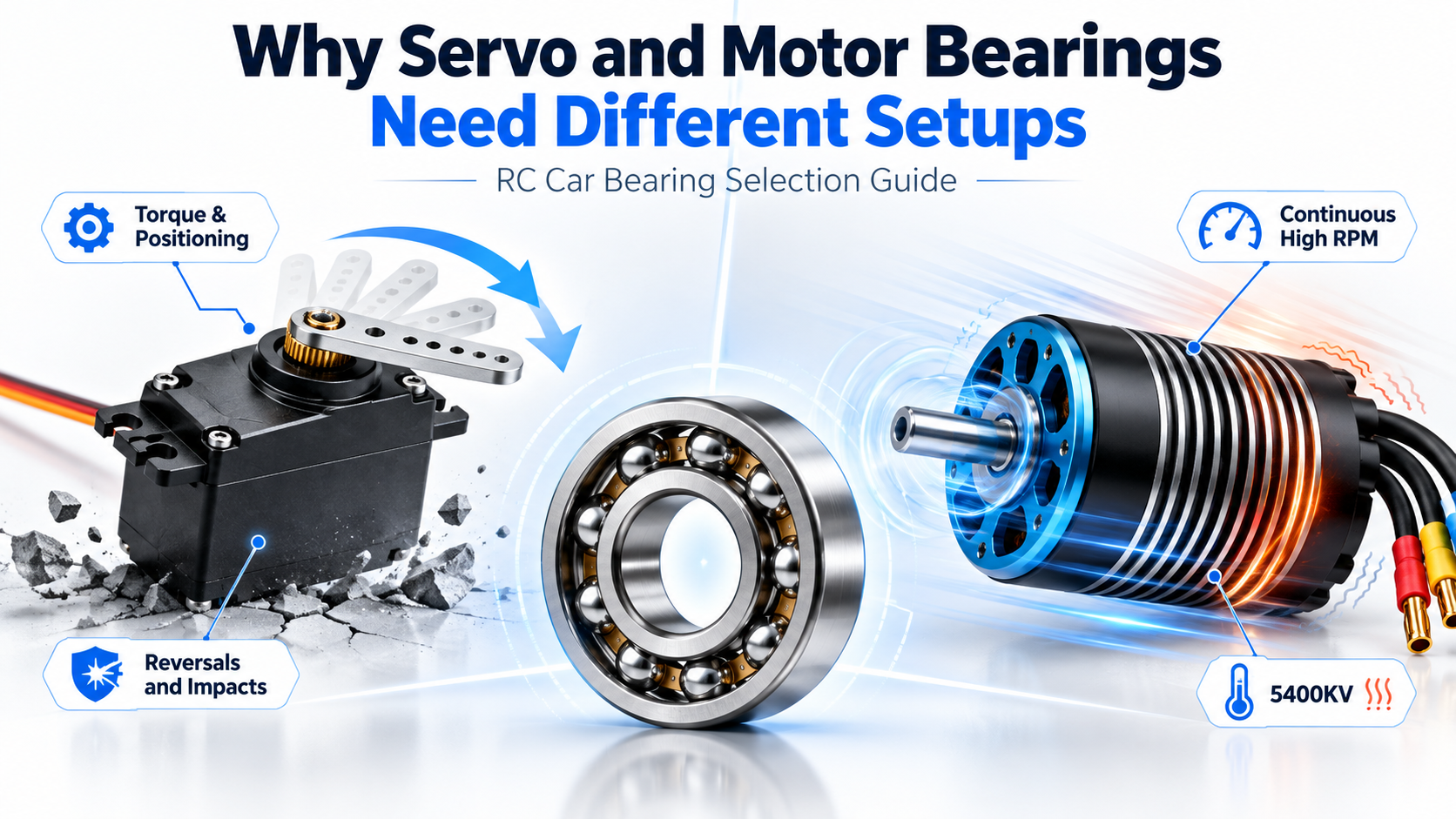
Motor bearing failure is one of the most common problems in electric motors, fans, pumps, gear motors, power tools, and industrial equipment. When a motor bearing fails, it can cause abnormal noise, vibration, heat, unstable rotation, lower efficiency, or even complete motor shutdown. For OEM buyers and maintenance teams, understanding the cause of bearing failure is the first step to choosing a better replacement.
One major cause is incorrect bearing selection. If the bearing does not match the motor speed, load, shaft size, working temperature, or installation structure, it may fail earlier than expected. For example, a high-speed motor may need low-friction bearings with suitable grease, while a motor used in dusty or humid environments may need better sealing protection.
Another common reason is poor lubrication. Grease has a direct influence on noise, temperature rise, and service life. If the grease is not suitable for the motor speed or working temperature, the bearing may become noisy or overheat. Too much or too little grease can also create problems.
Improper installation can also damage motor bearings. If force is applied through the balls during mounting, the raceway may be damaged. If the shaft or housing fit is too tight, the internal clearance may become too small, causing heat and friction. If the fit is too loose, the bearing may move during operation and create vibration.
Contamination is another important factor. Dust, moisture, metal particles, or dirty assembly conditions can enter the bearing and damage the raceway or grease. This is especially important for small motor bearings and miniature bearings, where even tiny particles can affect smooth rotation.
When choosing a replacement motor bearing, buyers should consider size, clearance, grease, seal type, noise level, speed requirement, material, and working environment. It is not always best to choose the cheapest option or the highest grade. The right bearing should match the real application.
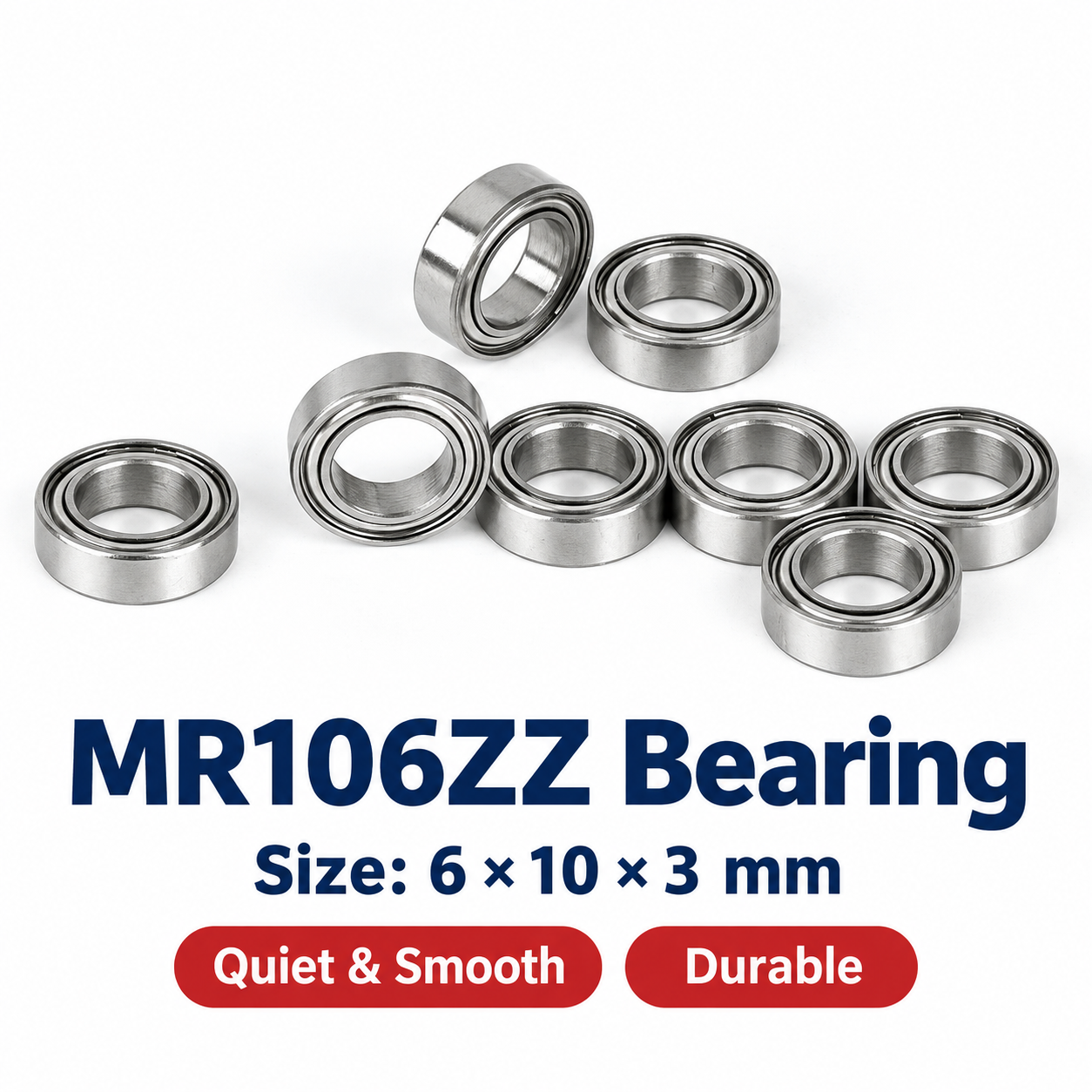
At LUMI Bearing, we supply miniature bearings, small deep groove ball bearings, motor bearings, stainless steel bearings, high-speed bearings, and OEM bearing solutions. Our team can help global customers analyze motor bearing problems such as noise, heat, vibration, early wear, or short service life, and recommend a more suitable replacement based on real working conditions.
Choosing the right motor bearing can help improve motor reliability, reduce failure risk, and support longer service life.
Commentaire